Edson College Posts


Arizona saw a major decrease in the number of pediatric influenza cases during the 2020-2021 flu season.
If this last year has taught us anything, it’s that effective modern health care needs to support everyone, not just a fortunate few.
Before COVID-19, there was robust thinking and conversation about social isolation and loneliness being the next public health crisis. Research provided ominous warnings about the broad impact of the pandemic, including a finding that isolation among older adults is associated with a 50 percent increased risk of dementia.
A new year is upon us and while many of us are ready to turn the page on an incredibly tough and tragic 2020 there is much work to be done. One clear reminder of this is the need for an entire month dedicated to the prevention of slavery and human trafficking.
What a year, eh? There are so many things that I could say about these past 11 months and I’ll get into that in a minute.
When will we have a COVID-19 vaccine? The answer to that question is what everyone around the world wants to know. Surely once we have a vaccine, we can get back to our regular lives. So why not rush one out today?
Health care, you would think, would be the place where the old adage about never letting a serious crisis go to waste would never apply. It’s an appalling thought on its face. But here we are, six months into the worst public health crisis of our generation, and we are seizing opportunities wherever we can in nursing education. We must.
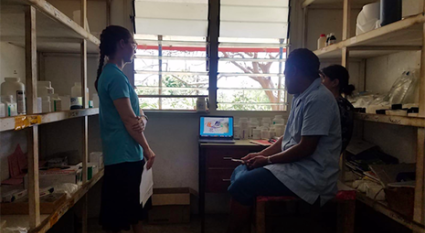
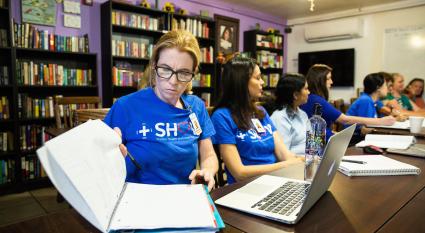
Today, more than 200 students, across multiple majors and the three state universities, volunteer with SHOW each semester.
We’ve got a pandemic on our hands and we need to collectively wage the fight against it! I’m not talking about COVID-19. I’m talking about the pandemic of inequality.
Our role as health educators, researchers and practitioners is to teach, investigate and care for people. It is also our role to call out injustices and disparities and actively work on solutions that benefit the overall health of all communities.
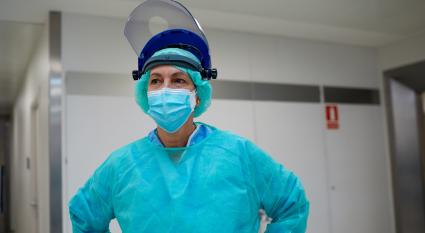
We’re still unraveling the mysteries of COVID-19, but there’s no doubt about the impact of nurses in the global fight against the pandemic. Health care workers are on the front lines and nurses are the far-forward troops. Although masked and, hopefully, covered in essential PPE, nurses are the human faces of health care for COVID-19 patients and their families. As premier patient educators, nurses also are helping to counter rampant misinformation about an unprecedented public health threat.
In my over 40 years of nursing education, this spring’s graduation and convocation are going to be, by far, the most unusual I’ve ever been a part of. When the semester started and we were all just coming back from the holidays, none of us could have imagined that in just a couple of months our world would be completely turned upside down.
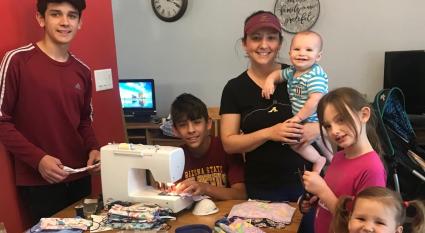
Edson College faculty, staff and students are volunteering their time, skills and health expertise to help in the fight against COVID-19.
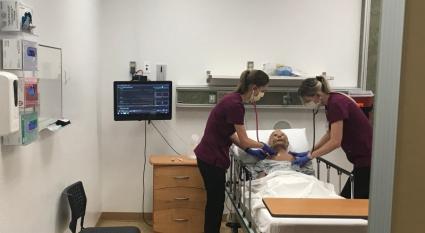
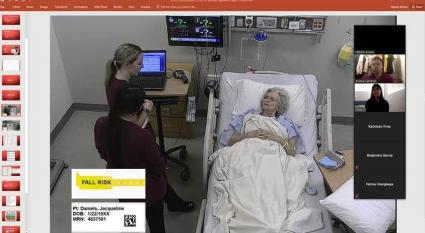
For a few mind-blowing, adrenaline-pumping days in mid-March, Margaret Calacci, our director of the Grace Center for Innovation in Nursing Education, felt like she was back in the Army. That turned out to be a very good thing for the 345 nursing students whose education and future careers in the time of COVID-19 physical distancing depended on the building of a robust, remote simulation learning program on the fly.
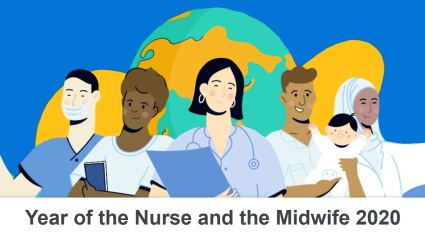
3 questions about the International Year of the Nurse and Midwife. This is a rare opportunity for a sustained conversation about the invaluable role our professions play in health and health care. Let’s give them something to talk about.
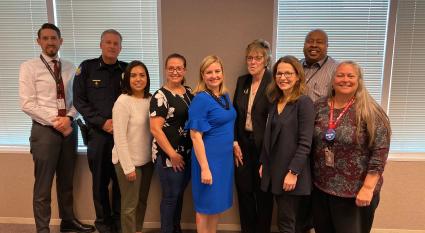
Policy is to government as nursing is to health care. Local government and nursing impact people at human levels; just imagine the impact if they linked arms for a greater good. It’s actually happening here in Arizona.
This month, which is National Hospice and Palliative Care Month, I keep coming back to a phrase someone said to me long ago. Hospice nurses are love at work. Dying can be long, bewildering, lonely, painful and frequently undignified. It is the case that the hospice nurses make all the difference.
Welcome to the Academic Nursing Leadership Conference! It is such a treat to be here with you all in Washington, D.C. during AACN's 50th anniversary.
Many members of our society face more debilitating conditions associated with Alzheimer's Disease. In Arizona alone, more than 120,000 people are living with Alzheimer’s disease or related dementia. Dementias are also the fourth leading cause of death in Arizona and the number of cases is expected to rise by 43% by 2025.
<p>There is something satisfying about the start of a new semester. It’s a clean slate for returning students and a fresh start for first-year students. As a university, ASU pulls out all the stops to make the first few weeks on-campus as hospitable as possible for every Sun Devil</p>